


Orientation Ride Information
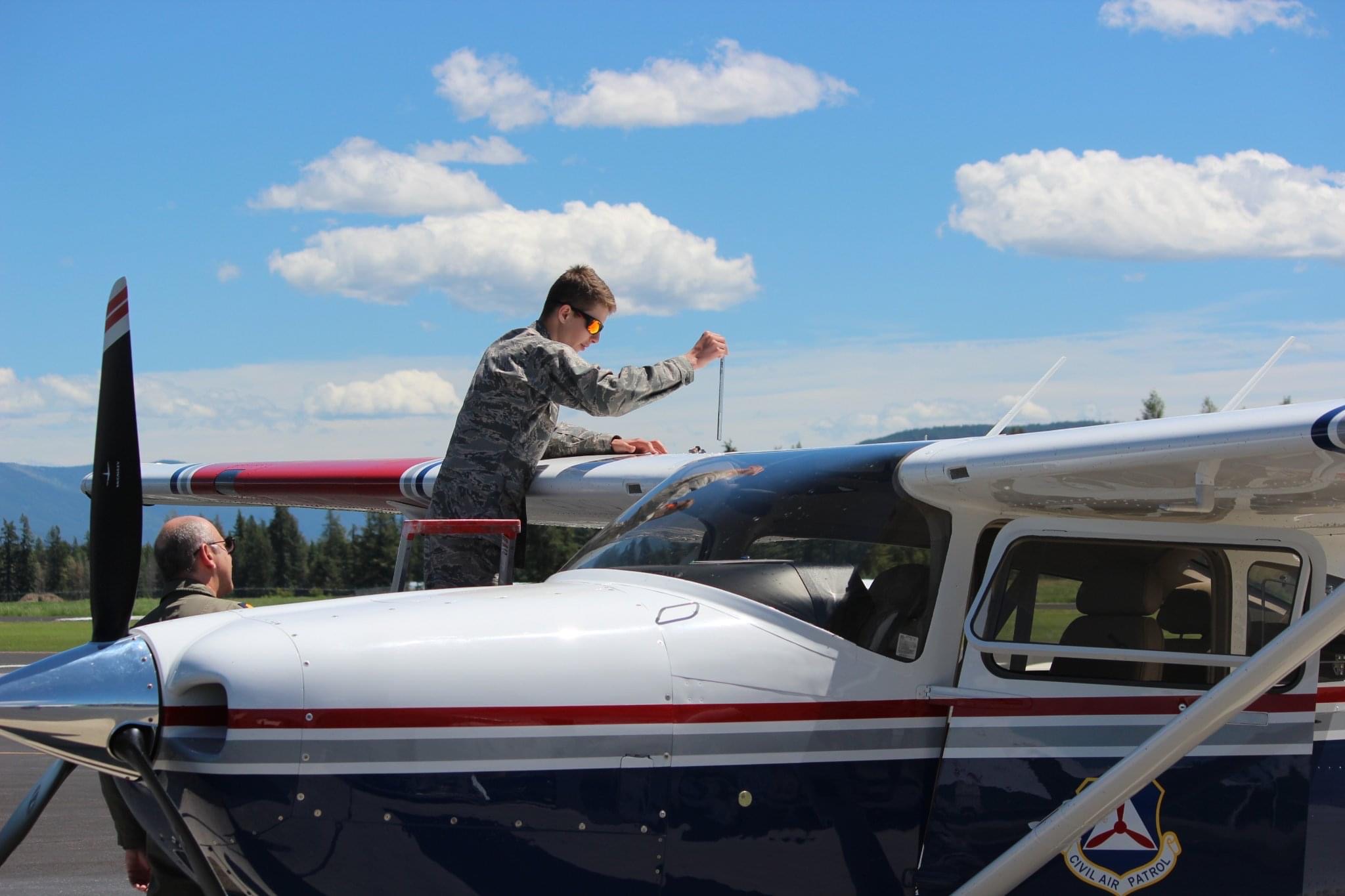
CAP gives cadets the opportunity to experience the wonder of flight. Orientation flights are among the most exciting aspects of cadet life.
Who is the pilot?
Only adult volunteers who are members of CAP and have been fingerprinted and screened by the FBI may serve as cadet orientation pilots. Local
leaders will introduce you to the pilot if you ask.
What are the pilot’s qualifications?
CAP pilots are licensed by the FAA. Moreover, pilots must meet additional requirements set by CAP. For powered aircraft, they will have over
200 hours as pilot-in-command in the class of aircraft they’re flying, or 100 flights in the case of gliders. Further, all pilots will have passed an
annual written exam that tests their airmanship, passed an annual check flight with a CAP check pilot, demonstrated a thorough knowledge of the
cadets’ flight syllabus, and received the approval of their wing commander. In short, CAP requires much more from the pilots who fly your son or
daughter than the federal government does.
Do cadets actually fly the plane?
CAP does allow cadets to handle the controls while aloft. Learning how planes fly is the main goal of the program. However, the pilot remains
in command at all times, and only the pilot will fly the airplane during takeoff, landing, and other critical moments of the flight.
Do cadets fly in inclement weather?
No. Cadets fly only in fair weather, under conditions that the FAA calls “visual flight rules.”
What type of aircraft do cadets fly?
With few exceptions, most cadets will fly in a CAP-owned single-engine Cessna, or a glider.
How long is the flight?
In powered aircraft, cadets are aloft for 45 to 60 minutes. If two cadets fly at once, they share 90 to 120 minutes of flight time. In glider aircraft, the
flight time will depend on the soaring conditions.
Where do the cadets fly?
A small airport near your hometown will probably serve as the day’s base of operations. The cadets may stay in the immediate vicinity, or fly to a
nearby airport, land, switch seats, and return to the original airport.
Do cadet orientation flights count as actual flight instruction?
No. The flights are educational and fun, but are not intended as formal flight training. If your son or daughter wants to earn a pilot’s license, you’ll
want to look into our cadet flight academies (see ncsas.com).
What do cadets learn while aloft?
Each flight has a theme. Flights focus on basic maneuvers, aircraft instruments, weather, etc. A detailed syllabus guides the pilot.
How much do the flights cost?
CAP never charges cadets for orientation flights.
Do I need to sign a permission slip?
In most cases, no. Your signature on your son’s or daughter’s membership application is sufficient.
Can cadets fly more than once?
Yes. Each cadet may receive up to 5 flights in a powered aircraft and 5 flights in a glider.
What if my son or daughter gets airsick?
CAP pilots closely monitor how the cadets are feeling while aloft. Airsickness bags are always available, and the pilot can land the aircraft within
a few minutes’ time. Also, it helps to have a light snack but not a full meal shortly before flying. If your son or daughter is prone to motion sickness,
please tell your local leaders beforehand.
What if my son or daughter is scared of flying?
Cadets are never obligated to fly, but we hope they at least give it a try. CAP works to ease cadets’ anxieties in a number of ways. Through
classroom instruction, cadets learn the basic science that makes flight possible. They’ll meet the pilot and find him or her to be trustworthy
and reassuring. On the day of their flight, cadets will help the pilot pre-flight the airplane and get to see firsthand that their plane is airworthy.
They’ll see their fellow cadets flying and having a fantastic time. If your son or daughter is particularly nervous, please talk with your local CAP leaders beforehand. They’ll be glad to help.
What should my cadet bring with them?
In addition to their uniform, cadets might want to bring some chewing gum, bottled water, sunglasses, and a copy of their flight syllabus, CAPP 52-7, available at cap members.com/pubs.
Can I take pictures?
Absolutely. Bring a camera to the airport and take pictures of your son or daughter while they are on the ground.
What can I do to help?
Moms and Dads might be needed to help with transportation, to provide snacks, and chaperone cadets. If you’re willing to help, please talk with
your local CAP leaders.